Showing posts with label Good oral hygiene. Show all posts

Thursday, September 9, 2010

How To Avoid Dental Pain

If you have ever experienced tooth pain you will be all too aware of how unpleasant and debilitating it can be. Dental pain can be caused by a number of factors. One of the most common is enamel erosion. Enamel is the top layer of the tooth that is there to protect the more sensitive dentine and dental nerve that form the inside part of the tooth. If the enamel is eroded by decay or general wear it can expose the more sensitive parts of the tooth to extremes of temperature and bacteria. This will cause sensitive teeth, which can involve very sharp pain that makes eating, and especially drinking, very difficult.

If enamel erosion has occurred to a more serious extent, it could result in a tooth infection. Cavities in the tooth enamel caused by plaque acid can lead to bacteria penetrating into the tooth and causing infection. This infection will attack the dental nerve, eventually killing it if not treated in time. The dental nerves are very sensitive and can be extremely painful if subjected to infection. Some patients assume that when the dental pain has gone the problem is resolved. This may not be the case but simply occur as a result of the root dying. The infection may still be present and spread to other teeth in the mouth and even enter the bloodstream. This is why it is so important to see a dentist as soon as you experience any dental pain.

Dental pain can come in many varieties. It can be dull and throbbing or sharp and intense. It can also be acute and chronic. It can treated with over-the-counter medication and painkillers but it is always recommended that you see a dentist rather than trying to treat the pain yourself. Dental pain is often very progressive and will become more severe over time. Acting fast and with appropriate treatment from a dentist will hopefully allow you to avoid and further pain.

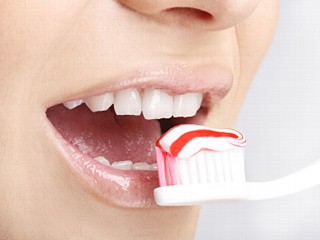
Brushing your teeth is by far and away the most important way of keeping them clean, healthy and free from decay. Effective brushing is the first line of defence against a whole series of nasty and unpleasant dental health concerns that could cause you a lot of pain, embarrassment and expense throughout your life.

Shimla dentists recommend that you brush your teeth at least twice a day for three minutes. It is recommended to use a soft-bristled brush, unless told otherwise by your dentist for specific reasons, as they are the best at removing plaque and ultimately that is the number one aim of tooth brushing. When brushing it is important to angle the brush at 45 degrees to the gums so that they are also gently cleaned. This helps to keep plaque off the gums and prevent gum disease, the number one cause of tooth loss in the India. Using a small-headed toothbrush is also recommended because it allows easier access to more parts of the mouth.

Although brushing is very important, it is also still a good idea to floss your teeth at least once a day as this helps to remove plaque and food debris from between the teeth. As well as this, it is also highly important to make sure you keep up six-monthly appointments with the dentist as even the most rigorous brushers can still be affected by decay and disease.

Tuesday, June 29, 2010

Oral Hygiene Can Help Prevent Heart Disease

Not many people are aware of recent research that associates heart disease and even strokes with poor oral hygiene. A lax regime in oral care leaves the blood low in Lipoproteins, research shows that this disorder is a leading factor in hardening of the arteries. Shimla dentist says that although this isn’t a direct cause of heart disease, it certainly doesn’t help. The hardening causes a narrowing and this restricts the blood flow which in turn leads to high blood pressure. There seems to be a lot of conflicting views on the subject, some researchers are also advocating that strokes, and even diabetes is exasperated by the lack of good oral hygiene. The dentist goes on to say that although research is incomplete, he would always advise his patients to have a good, well advised method of oral hygiene. Every dentist has an advisor on duty, and they are there to prevent problems rather than push up the bill. Getting back to Lipoproteins, these are a very important part of the blood make up; they carry and distribute water and fat around the body. This is an important part of the functions that keep our body healthy, if there is a lack of Lipoproteins in the blood then that can have a knock on effect. Diabetes is also affected by the lack of this protein. Bad oral hygiene kills off the good part of High Density Lipoprotein (HDL) and Low Density Protein (LDL), both of which serve to carry naturally produced proteins from one organ to another. If the proteins aren’t absorbed by their receptacle organ then the organ will experience problems, this leads to many of the diseases which together can cause a heart attack. All this can be prevented by spending a little more time on brushing, flossing and making sure that our gums are healthier.A simple regime will go a long way to eliminating gum disease, which by the way is incurable, if you already have a gum disease then it is important that you learn to brush and floss without cutting the infected flesh of the gums. Regular oral hygiene will not only keep your mouth healthy, but now it seems it will keep your heart healthy as well.

Saturday, April 24, 2010

Bad Breath Can Be Embarrassing

Bad breath can be an embarrassing hygiene problem that unfortunately affects others probably more than it affects you. In fact it is often very difficult to know that you have bad breath unless someone tells you, which can in itself be very embarrassing, especially if is happening on a regular basis.

The fear of bad breath can often lead people to take action in an effort to stop it but in doing so they may not be addressing the cause of the problem, and in certain cases even making it worse. Using mouthwash, breath sprays or gum can temporarily cover the smell of bad breath but it will not stop it and at best will only mask it for a few hours. Furthermore, mouthwashes can disrupt the regulation of bacteria in the mouth and result in bad breath coming back time and time again. This happens because it kills bacteria in the mouth and changes the saliva production levels. Saliva is the body’s natural defence against oral bacteria and regulates it to keep it at a healthy level.

The only real way to beat bad breath for good is to improve your general standard of oral hygiene. Improved brushing and flossing can help to remove bacteria, plaque and food debris that stick to teeth causing decay and the breakdown of particles which cause bad breath. It is also recommended by dentists to use a tongue cleaner to remove bacteria form the grooved surface of the tongue.

Dentists can give you further advice on the most successful ways to improve cleaning and beat bad breath. By following their advice and sticking to a through cleaning routine, you should be able to leave the anxiety of bad breath behind once and for all.

Thursday, November 5, 2009

Dental Hygiene Prevents Teeth Problems


When it comes to dental hygiene, prevention really is better than cure. Nothing is better for your teeth than maintaining a regimented routine of oral hygiene. By spending just a few extra minutes a day to keep your teeth and gums clean and healthy, you could avoid a lifetime of painful and costly dental procedures. Ask any one who has suffered from tooth decay, gum disease or who has suffered form a serious toothache and they will tell you that that extra few minutes brushing and flossing are definitely worth it.

Dentists recommend brushing your teeth twice a day, in the morning after breakfast and in the evening before bed, using suitable toothpaste (ask your dentist about fluoride content) and a suitable brush with appropriate bristles. They also strongly recommend flossing your teeth at least once a day. These are the two main front-line defences against a whole array of painful and unpleasant dental problems.

By not brushing and flossing regularly you are allowing bacteria to build up in a filmy substance called plaque which surrounds the teeth, attacking the enamel and causing cavities. If these cavities are allowed to penetrate to the root of the tooth it can cause an infection that will be very painful and can eventually lead to tooth loss. It is also possible for the infection to spread to other teeth in the mouth and even infiltrate the bloodstream causing serious health problems such as heart disease.

It is an unpleasant thought, but the mouth is in fact one of the dirtiest places in the human body. Its warm and moist conditions make it ideal living conditions for the 500 million or so bacteria that live there. If this bacteria is not properly controlled by cleaning it will thrive and cause health problems.

Good oral hygiene also eliminates unfortunate social conditions such as yellow teeth and bad breath. Over 90 per cent of cases of bad breath are caused by poor dental hygiene. Food and bacteria trapped between the teeth break down releasing foul smelling sulphurous compounds that are the cause of bad breath. Brushing and flossing help to remove the bacteria and keep your breath fresh.

A good dental hygiene routine, accompanied by the all important six-month visits to the dentist can help you maintain a happy and healthy mouth. Look after your teeth and they can last you a lifetime. Ask your dentist about how to correctly brush your teeth and which brush is most suitable for your teeth and gums.